
A day at the Alaska SeaLife Center
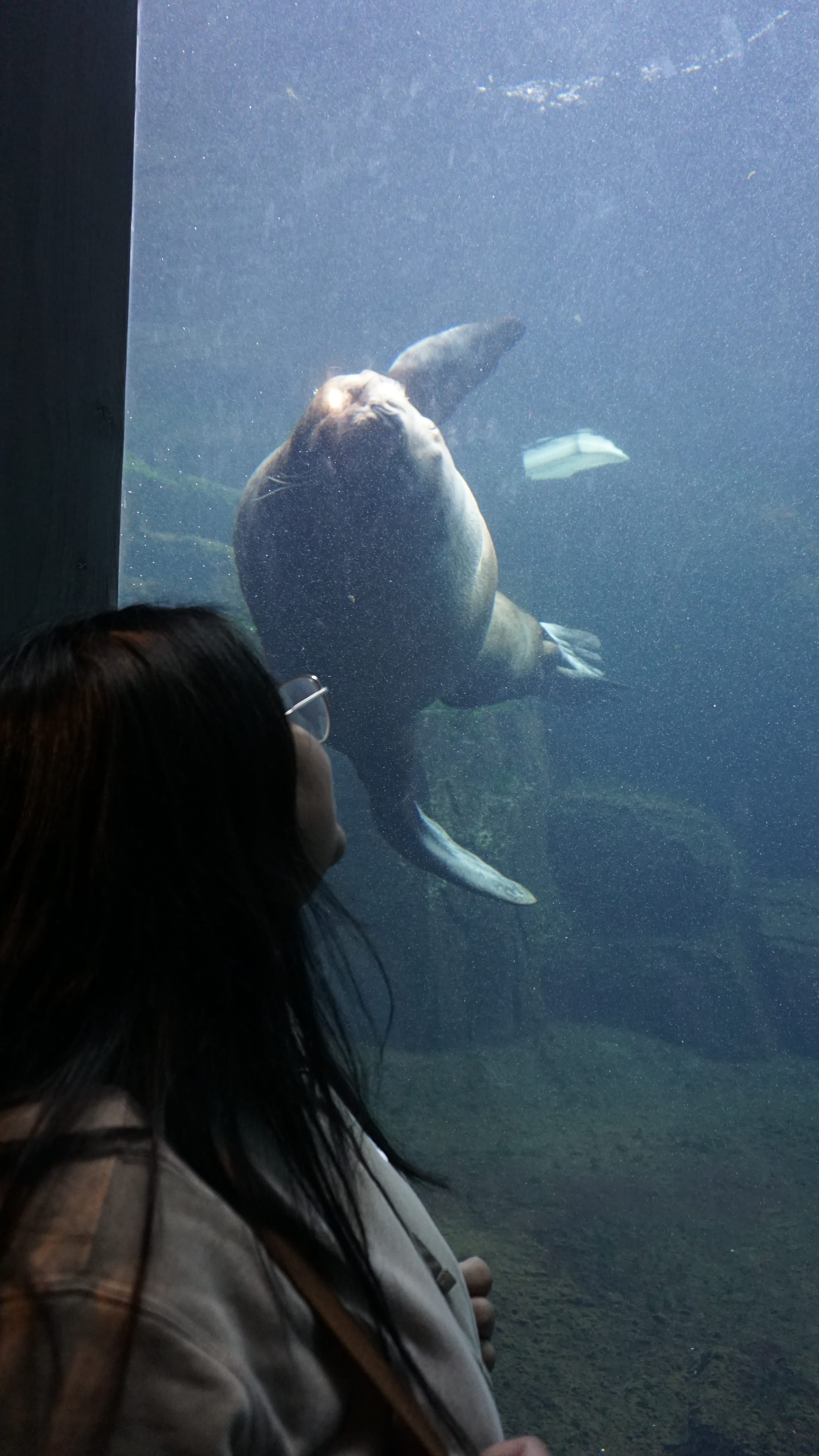
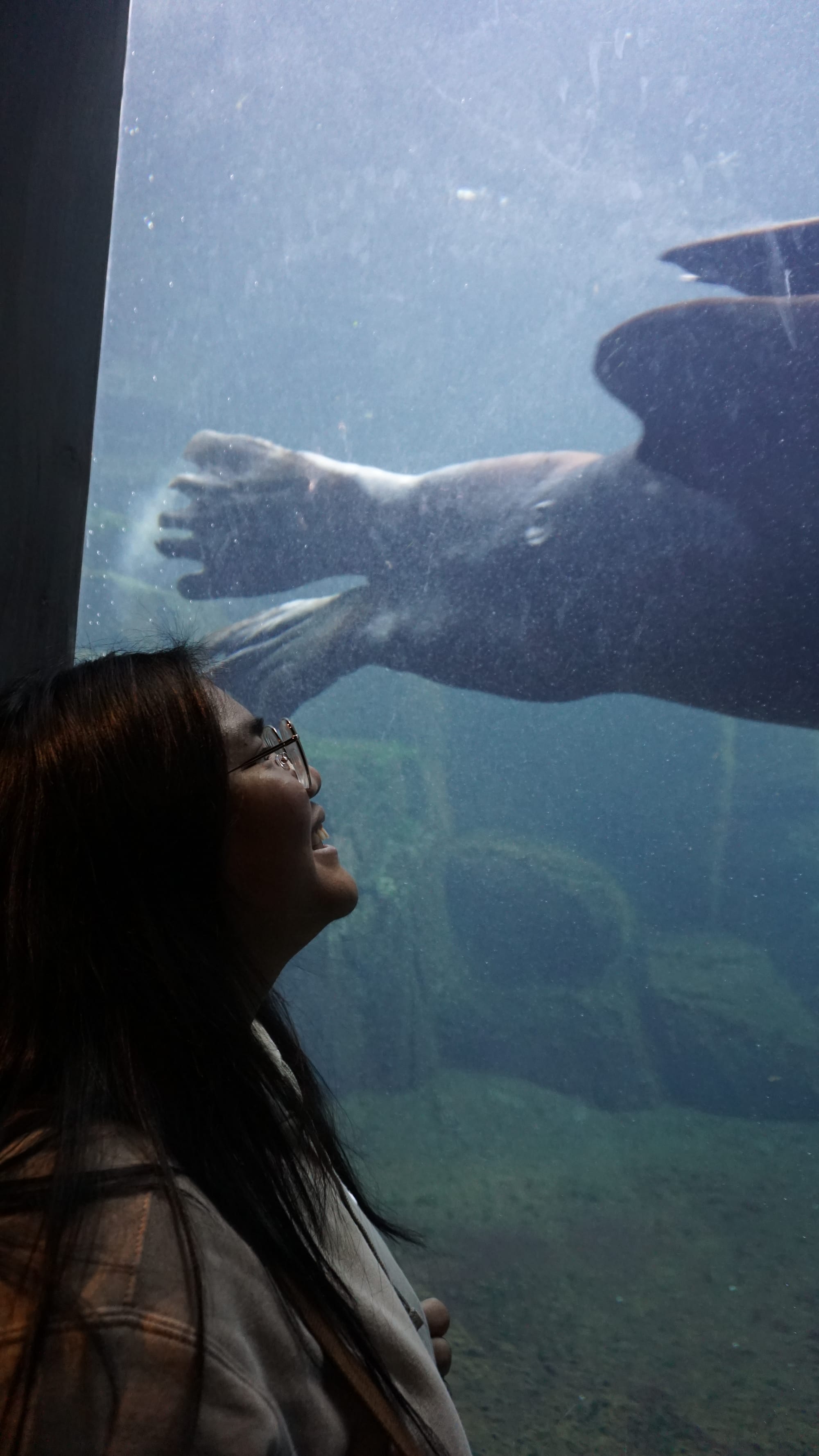
The best seat in the building is a spot on the floor in front of the glass.
Downstairs at the Alaska SeaLife Center, the Steller sea lion habitat has a tall underwater viewing window. Stand there long enough and a sea lion the size of a small boat will swim right up, turn, and press a flipper against the glass a few inches from your face. Nobody seems to have told them they're the main attraction. They act like it anyway.
Above the water
Upstairs, you see the same animals from the other side. One of the sea lions was hauled out on the rocks, nose up, holding still as if posing for a statue.
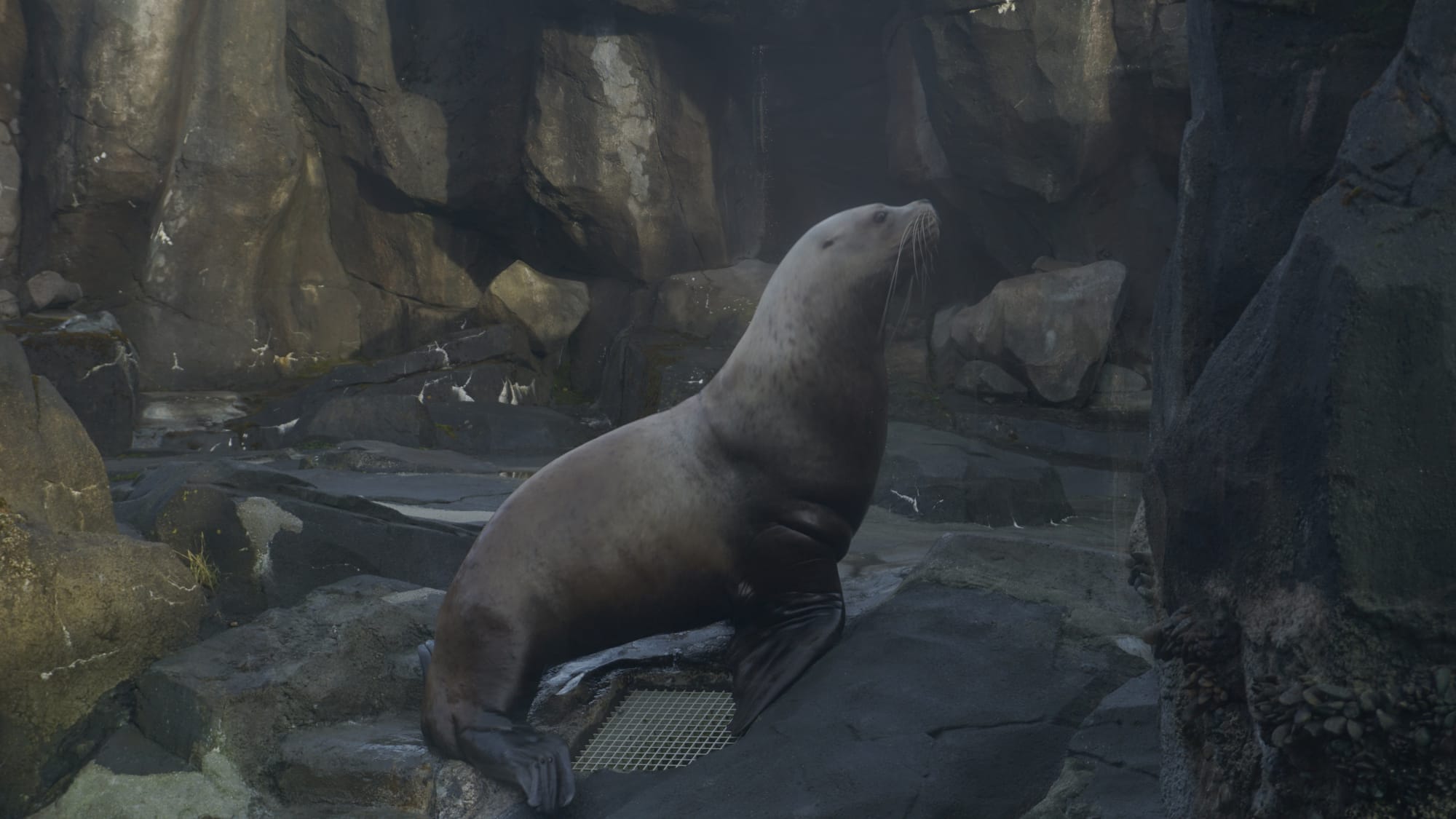
Steller sea lions are the largest sea lions in the world. Adult males can weigh close to a ton. The western population, which includes the Gulf of Alaska, is listed as endangered, and that's part of why the center studies them. If you can't make it to Seward, it also runs a livestream from the Steller sea lion rookery on Chiswell Island, out in the Kenai Fjords.
The seals
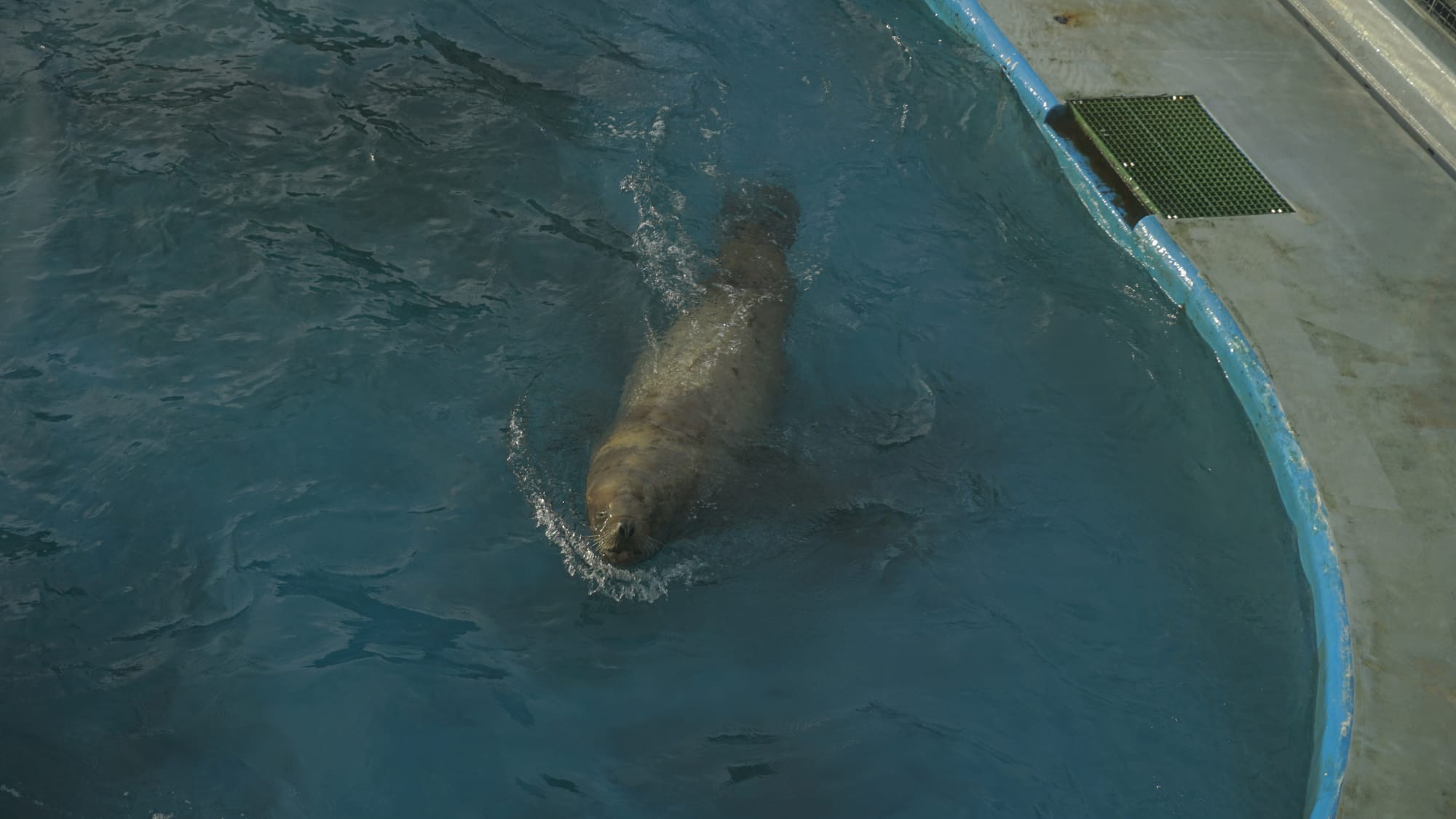
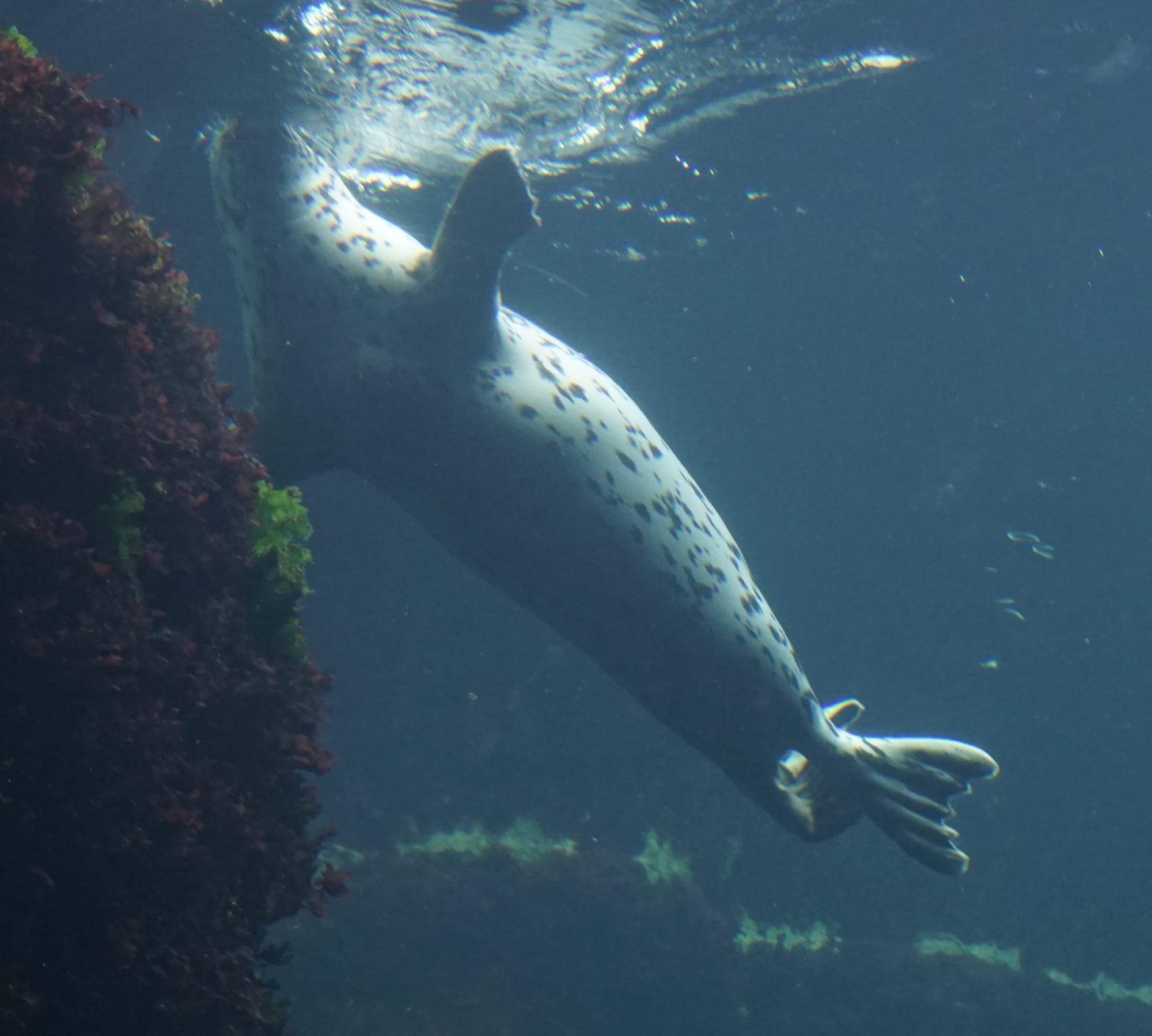
The harbor seal habitat is quieter, and in some ways more fun to watch. The seals drift, roll and corkscrew past the glass, then hang upside down near the surface like they've forgotten which way is up.
More than an aquarium
It's easy to walk through the SeaLife Center and treat it as an aquarium. It is one. But that's only part of what it does.
The center opened on May 20, 1998. Much of its original funding, $37.5 million of the $55 million total, came from the Exxon Valdez oil spill settlement, set aside for marine research and rehabilitation. Today it's Alaska's only permanent marine mammal rehabilitation center. That means the staff here respond to stranded seals, sea lions, otters and walruses from across the state.
2026 has been a busy year:
- Harbor seal pups: the center cared for at least six this summer. One, found in poor condition in Whittier Harbor in July, came in as patient PV2610.
- Two released seals: on September 25, hundreds of people gathered on Kenai's North Beach to watch two rehabilitated harbor seals, Stanley Sealton and Ester, return to the wild. Stanley went back wearing a satellite tag.
- A walrus calf: an orphaned Pacific walrus calf named Annautaq arrived on September 14.
Most rehab patients are kept out of public view, so you probably won't see them on a visit. But your ticket helps pay for that work. The center posts updates on each patient in its online Rescue & Rehab Journal.
If you're going
- Where: 301 Railway Avenue, at the south end of downtown Seward, right on Resurrection Bay.
- When: Hours change with the season, and winter hours are shorter. Check alaskasealife.org or call (907) 224-6300 before you go.
- Allow time: Give the underwater windows more time than you think. The sea lions come and go, and the best moments happen when you've been standing there a while.
- Thank You Thursdays: free admission to the Alaska SeaLife Center for Alaska residents. Learn more here: https://sewrd.com/thank-you-thursdays-are-coming-back-free-sealife-center-admission-for-alaskans-this-winter/
Winter is a good time to go. The summer cruise crowds are gone, the building is quiet, and the sea lions seem just as happy to have an audience of one.